Login
Login Register
Taxonomic Hierarchy
- Kingdom: Animalia
- Phylum: Arthropoda
- Class: Arachnida
- Order: Araneae
- Suborder: Araneomorphae
- Family: Gnaphosidae
Common Name (AAS )
)
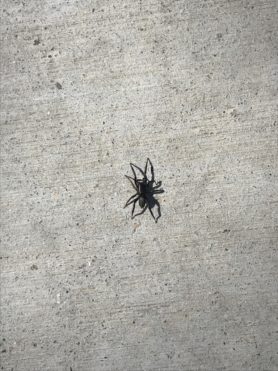
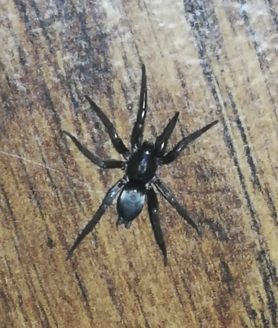
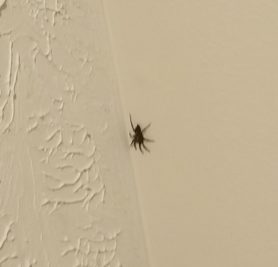
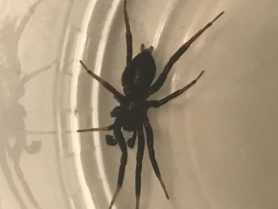
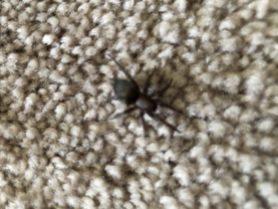
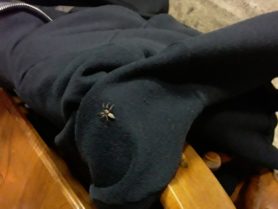
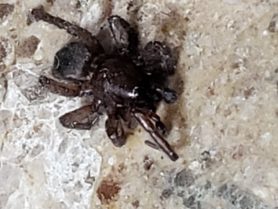
Stealthy Ground Spiders
Other Common Names
Ground Spiders, Flat-bellied Ground Spiders
Author
Reginald Innes Pocock, 1898
Sightings Overview
There have been 332 confirmed sightings of Gnaphosidae (Stealthy Ground Spiders), with the most recent sighting submitted on February 25, 2024 by Spider ID member steve66. The detailed statistics below may not utilize the complete dataset of 332 sightings because of certain Gnaphosidae sightings reporting incomplete data.
- Web: 4% of the time, Gnaphosidae spiders are sighted in a spider web (Sample size: 332)
- Sex: 4 female and 12 male.
- Environment: Gnaphosidae has been sighted 61 times outdoors, and 286 times indoors.
- Outdoors: Man-made structure (27). Low foliage (2). High foliage (2). Ground layer (13). Under rock or debris (12). Freshwater river, lake, stream (1). Forest (2). Desert area (2).
Location and Range
Gnaphosidae (Stealthy Ground Spiders) has been sighted in the following countries: Australia, Canada, French Polynesia, Germany, Greece, India, Ireland, Italy, Netherlands, Pakistan, Portugal, Qatar, Saudi Arabia, South Africa, Spain, Thailand, Turkey, United Kingdom, United States.
Gnaphosidae has also been sighted in the following states: Alabama, Arizona, Arkansas, California, Colorado, Connecticut, Florida, Georgia, Idaho, Illinois, Indiana, Iowa, Kansas, Kentucky, Maine, Maryland, Massachusetts, Michigan, Minnesota, Missouri, Montana, Nebraska, Nevada, New Hampshire, New Jersey, New Mexico, New York, North Carolina, North Dakota, Ohio, Oklahoma, Oregon, Pennsylvania, South Carolina, Tennessee, Texas, Utah, Virginia, Washington, Washington, D.C., West Virginia, Wisconsin, Wyoming.
Seasonality
Gnaphosidae has been primarily sighted during the month of May.
- January: 15
- February: 27
- March: 43
- April: 53
- May: 115
- June: 25
- July: 8
- August: 14
- September: 5
- October: 12
- November: 4
- December: 11
Additional Remarks
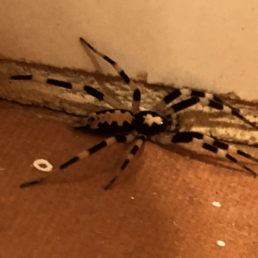
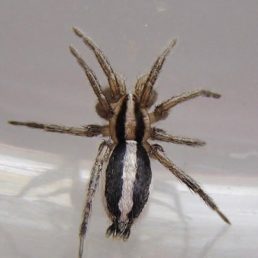
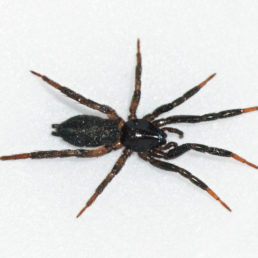
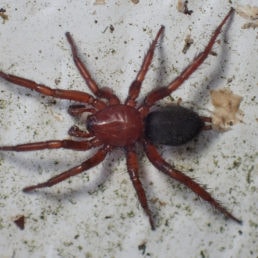
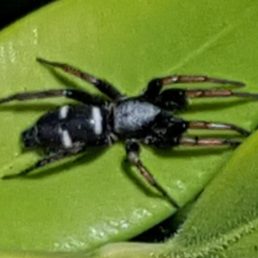
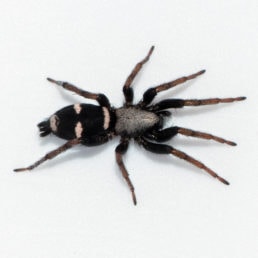
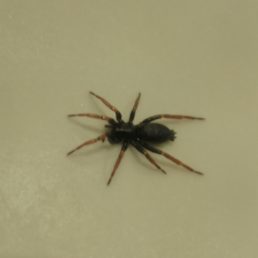
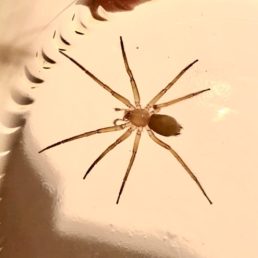
- Though members of the entire family are collectively nicknamed “ground spiders,” that is not always where they are found. Especially synanthropic species such as Herpyllus ecclesiasticus, Scotophaeus blackwalli, or a handful of others that are often found on inner or outer walls of buildings.
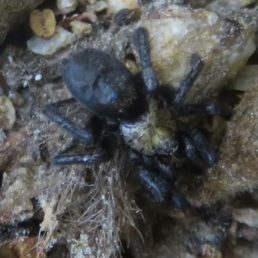

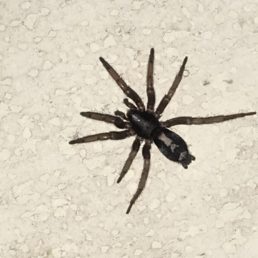
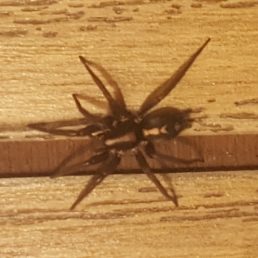
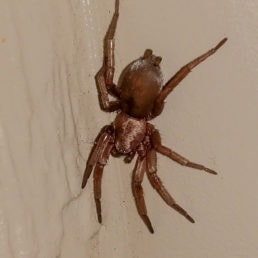
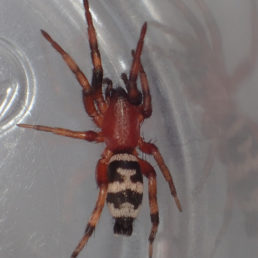
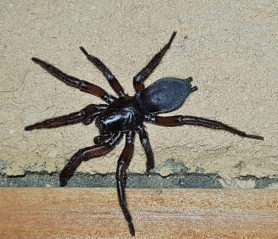


 Help identify this spider
 Jan 4, 2020
 Rangiroa,